

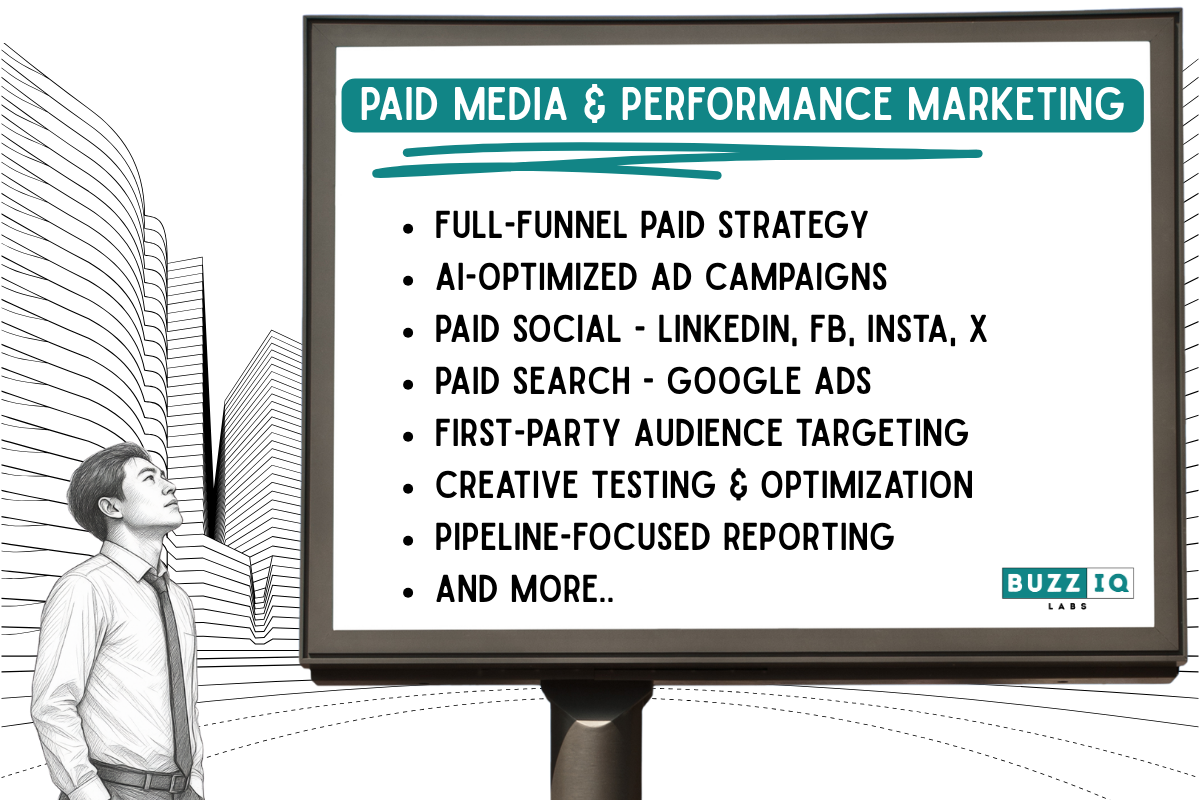






Your Trusted Growth PartnersSmart Demand Gen
Systems For B2BWe help B2B Tech & SaaS companies define their ICP, design their GTM strategy, and create intelligent, AI-powered demand systems that attract and convert the right buyers.Our ServicesContact UsFrom Lead To ConversionDemand Strategies
For Predictable, Scalable GrowthIncrease qualified pipeline and accelerate your deal velocity with intelligent demand generation for the age of AI.Our ServicesContact Us
Buyer Evolution
Buyer Behavior
B2B Buyers Have Changed Fundamentally
Today’s B2B buyers are more informed, more independent, and increasingly guided by AI, peer insights, and digital research long before they engage with sales. To win their attention, your marketing partner must know how to:
Scaling a SaaS business demands more than product excellence. It demands a demand engine that builds pipeline predictably, engages the right buyers at every stage, and converts interest into measurable revenue growth.
Complex technology deserves an equally sophisticated go-to-market approach. For companies operating in AI, cybersecurity, data infrastructure, and cloud - we build demand generation programs that establish category authority and accelerate enterprise pipeline.
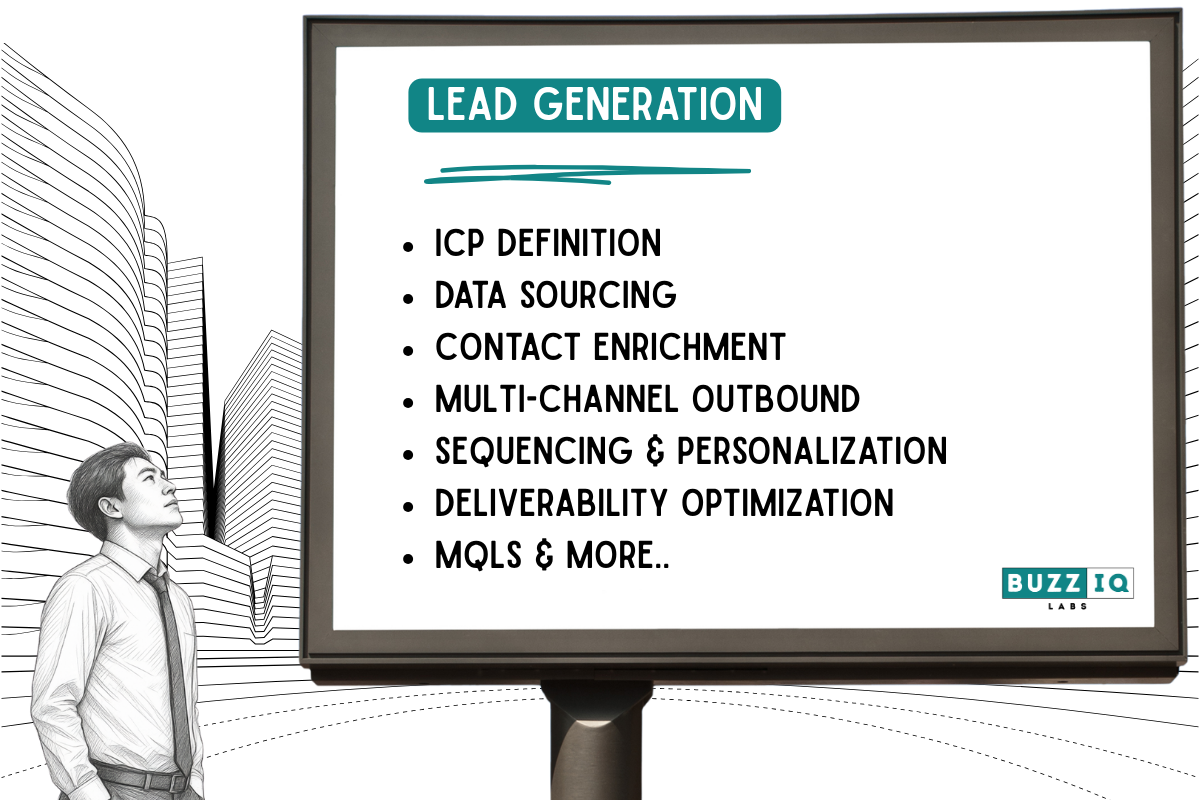
1 What is B2B Demand Generation, and how is it different from Lead Generation?
Lead generation focuses on collecting contact information.
Demand generation focuses on creating awareness, educating buyers, building trust, and generating buying intent throughout the customer journey.
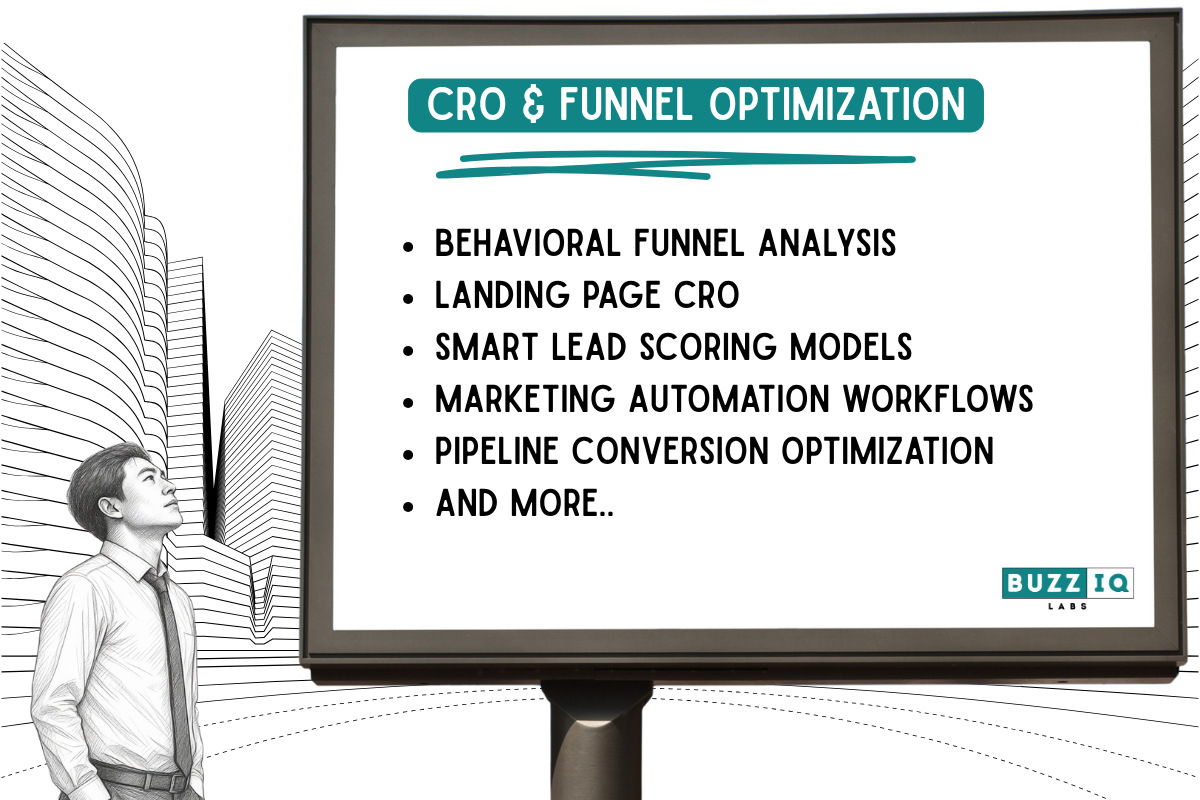
Most companies struggle because they focus only on lead volume. At BuzzIQ Labs, we focus on building predictable pipeline by combining brand awareness, demand creation, lead capture, nurturing, and conversion optimization.
2 We already have an internal marketing team. Why would we bring in an external partner?
Most internal teams are built for execution — they run the campaigns, manage the tools, report the metrics. What they often don't have is the cross-company pattern recognition that comes from working across dozens of B2B SaaS and Tech environments simultaneously.
BuzzIQ Labs isn't a replacement for your team. We plug in at the strategy and systems layer — building the demand gen infrastructure, the attribution model, and the AI-assisted workflows that your internal team then runs. Think of it as the difference between having engineers and having an architect. Both matter. We're the architect.
3 What channels work best for B2B Demand Generation?
The answer depends on your market, buyers, and sales motion.
Successful demand generation often combines multiple channels including:
LinkedIn,
Google Search,
Content Marketing,
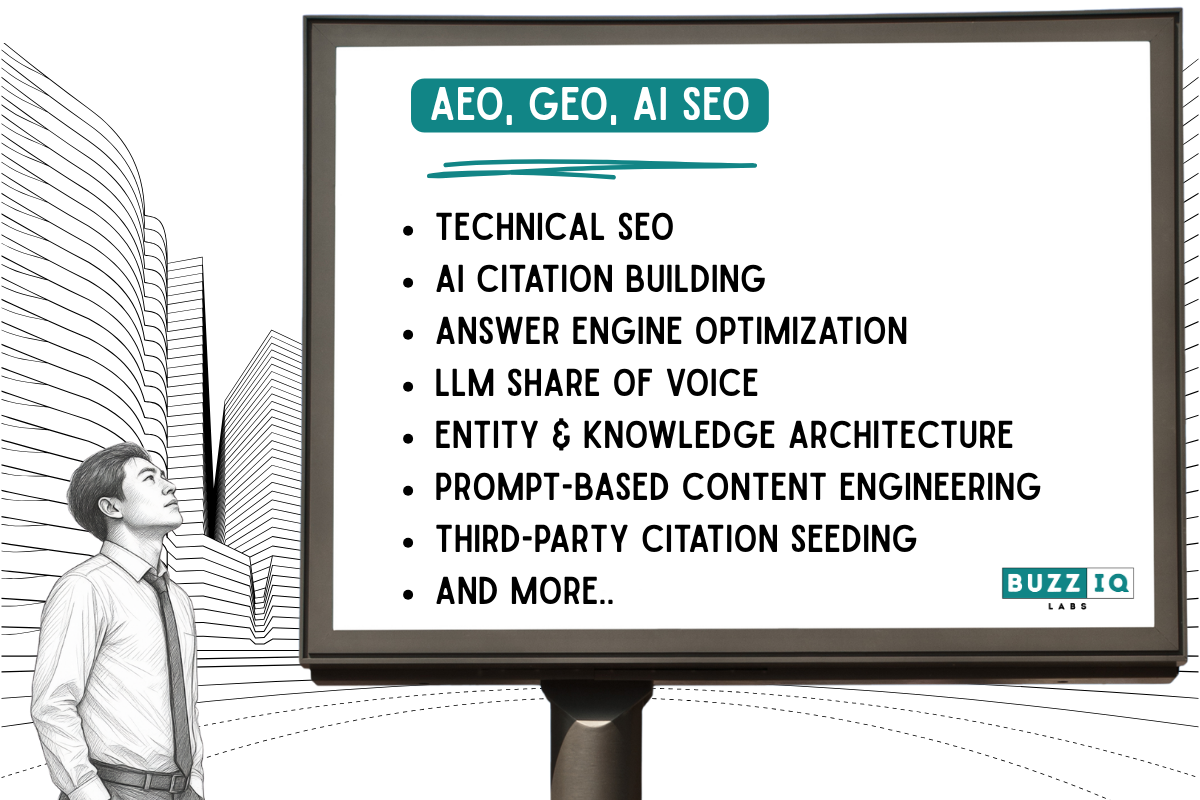
SEO, AEO,
Email Nurturing,
Retargeting,
Webinars,
Partner Marketing, Industry Communities etc.
The goal is not to be everywhere but to be present where your buyers conduct research and evaluate solutions.
4 We've tried ABM before and it didn't deliver. What makes your approach different?
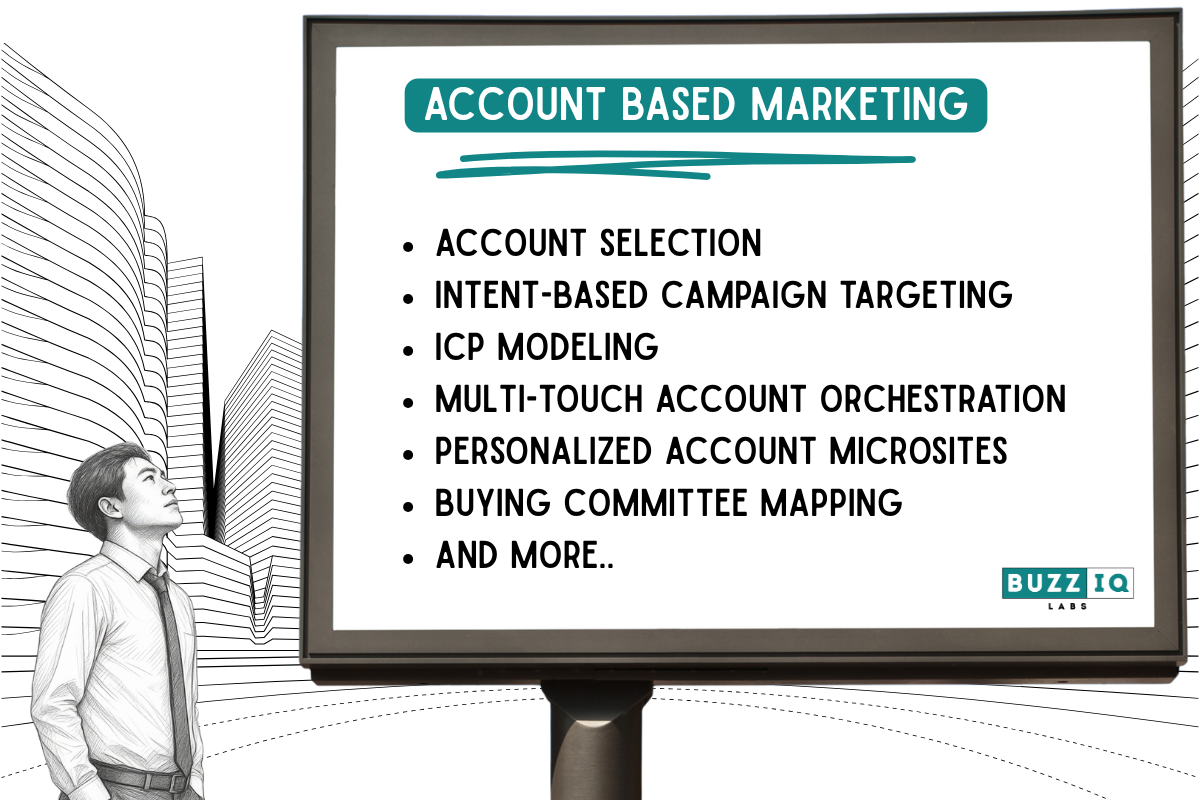
ABM fails for one of three reasons: the account list is wrong, the sales and marketing motion isn't coordinated, or it's running on assumptions instead of intent data. Usually it's all three.
Our ABM approach starts with AI-assisted account selection - using firmographic, technographic, and behavioral intent signals to identify accounts that are actually in-market, not just accounts someone thought looked good on paper. From there, we build coordinated plays that connect paid media, personalized content, and sales outreach into a single account experience - not three separate campaigns that happen to target the same logo.
If you've tried ABM before, we'd want to understand what you ran, what you measured, and where it broke down. That's usually a more useful conversation than a pitch.
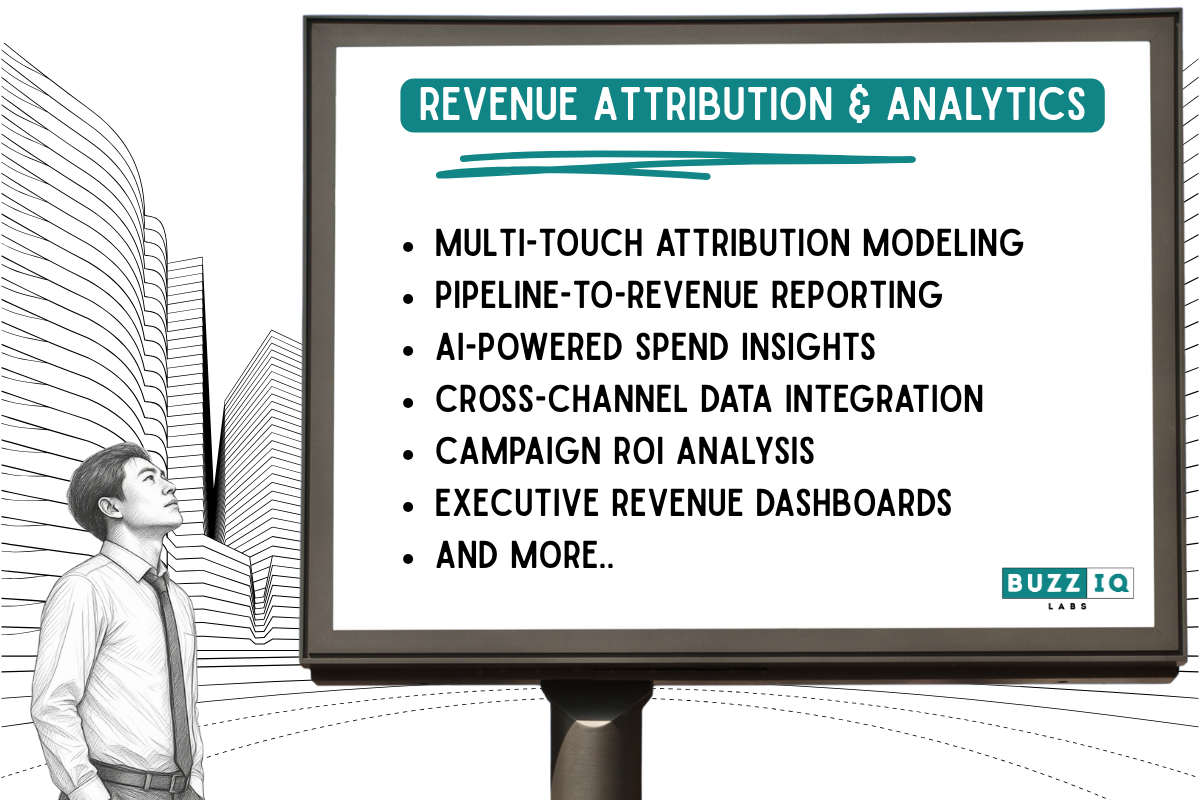
5 How do you handle attribution across a long, multi-stakeholder B2B buying cycle?
This is one of the most underserved problems in B2B marketing, and most companies are either flying blind or leaning on a last-touch model that systematically undercredits the work that actually creates pipeline.
We build multi-touch attribution models that account for the full buying journey — including the dark funnel activity that never shows up in your CRM: organic content reads, word-of-mouth, community engagement, and direct traffic from people who already knew who you were before they converted.
The output isn't a perfect model — that doesn't exist. It's a decision-grade model: good enough that your leadership team can make resource allocation decisions with confidence, and specific enough that your marketing team knows which programs to double down on and which to kill.
6 How does SEO support demand generation?
SEO helps your content appear when potential buyers search for solutions. It drives high-intent traffic, ensuring your brand is discovered during critical research phases.
7 What is AEO (Answer Engine Optimization) in demand generation?
AEO focuses on optimizing content so it can be understood and recommended by AI systems and answer engines. BuzzIQ Labs helps brands structure content to appear in AI-driven search results and conversational queries.
8 How do you work with our sales team, and what do you need from them?
Demand gen without sales alignment is just content marketing with ambition. We need your sales team involved — not as stakeholders who review decks, but as active participants in the feedback loop.
In practice, this means a structured cadence where we're pulling deal data, win/loss patterns, and objection intelligence from sales to inform what we build on the marketing side. In return, we give sales better-qualified pipeline, sharper ICP targeting, and enablement materials that actually reflect how your best reps sell.
The minimum viable ask from your sales team: one hour per month with a senior sales leader, access to CRM data, and a genuine willingness to share what they're hearing in the field. Everything else we build around that.
9 We're in a niche vertical. Can you actually understand our market well enough to generate demand in it?
We work exclusively in B2B SaaS and B2B Tech, so the commercial dynamics, buying behavior, and funnel structure of your world are not new to us. But niche vertical expertise - the specific language, competitive landscape, and buyer psychology of your particular market - takes time to develop, and we won't pretend otherwise.
Our onboarding process is designed to close that gap fast: structured interviews with your best customers, deep dives into your win/loss data, competitive content analysis, and ICP mapping that forces us to understand who actually buys from you and why. By the end of the first month, we're producing content and campaigns that your prospects would read and say "these people get it."
10 How do you structure engagement - retainer, project-based, or something else?
Demand generation compounds over time — the authority you build in month two pays dividends in month eight. For that reason, most of our work runs on a monthly retainer model, with a minimum engagement of three months. That's not a commercial preference; it's the minimum time needed to build something that actually works and measure it honestly.
We also take on defined-scope projects - a full-funnel audit, an attribution model build, a specific ABM launch - when those are the right entry point. Some clients start there and move to a retainer once they've seen how we work.
What we don't do: short-term "sprints" that are really just activity theater designed to justify a renewal conversation. If we're not the right fit for a sustained engagement, we'll say so early.
11 Our CAC is already under pressure. How do we justify adding an external demand gen partner to the budget?
This is exactly the right question to be asking, and the answer should come from your numbers, not from our pitch.
Start with what a single net-new qualified opportunity is worth to your business - average contract value, close rate, and time to close. If BuzzIQ Labs generates two additional qualified opportunities per month that wouldn't have come in otherwise, what's the revenue value of that over a quarter? Over a year?
We help you build that model in the first conversation - not to manufacture a favorable ROI narrative, but because it sets the right success criteria for both sides. If the math doesn't work at your current ACV and conversion rates, we'll tell you that too. We're not the right partner for every company at every stage, and we'd rather have that conversation before an engagement than three months into one.
Latest From Our Blog
Read all the latest stories and posts from our blog here.